
From healthier people to stronger economies, the West Virginia School of Osteopathic Medicine is redefining what's possible.
LEWISBURG, WV / ACCESS Newswire / December 3, 2025 / After two years of instruction in Lewisburg, West Virginia School of Osteopathic Medicine (WVSOM) third-year students sling stethoscopes around their necks and head to work in hospital rotations across the state. Some are based in coal country, others in farming valleys or mountaintop towns where the nearest physician used to be an hour away. From emergency rooms to small clinics and county hospitals, the presence of these students means patients can find care close to home rather than making sluggish drives to distant facilities.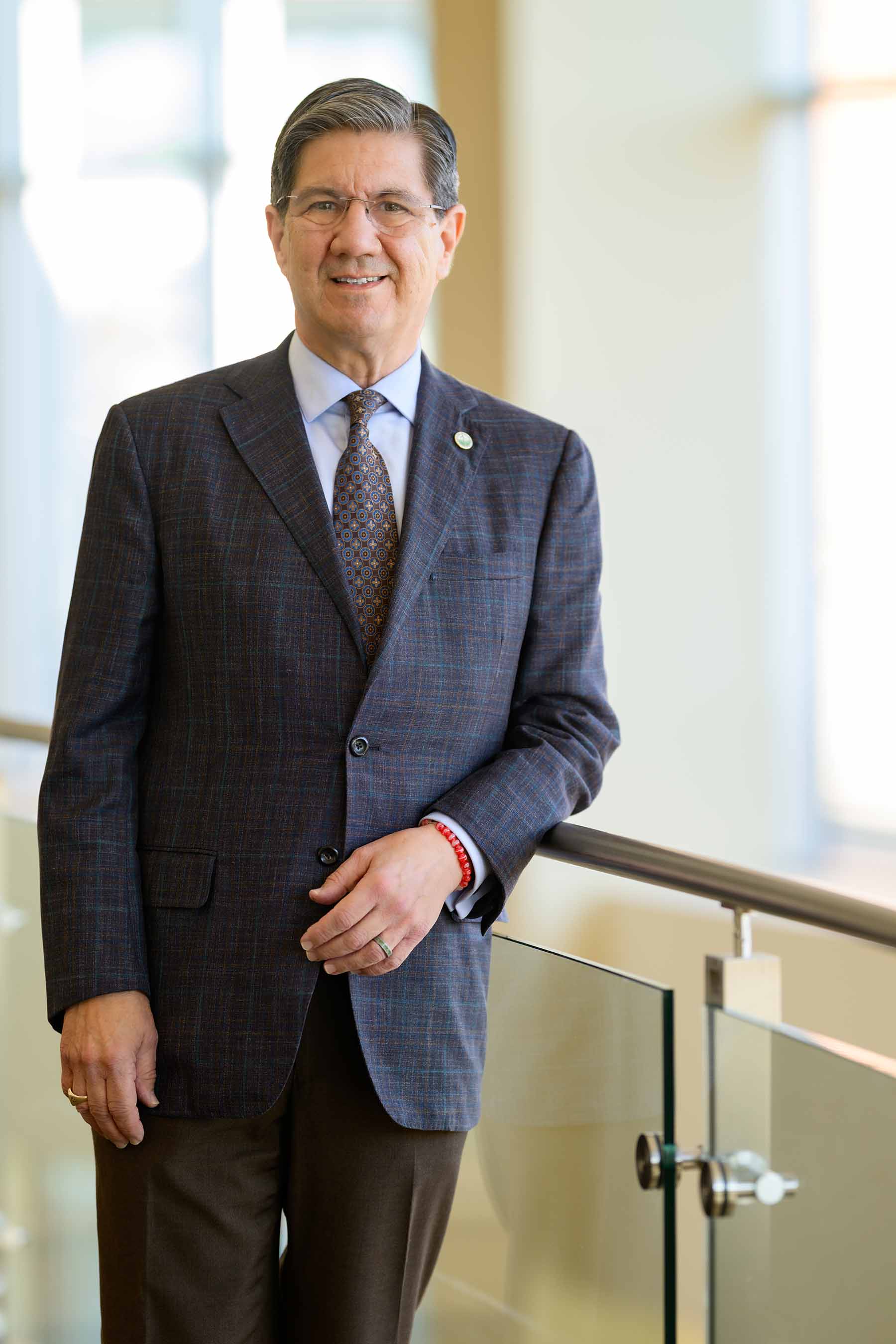
Closing the gaps in rural health care through training the next generation of West Virginian doctors has been the mission of WVSOM since its founding in 1972. Although many graduates now practice across the country, the school's deepest impact continues to be felt at home, where its presence has grown into a statewide network of care. That influence is measured not only in statistics but also in everyday life, which might look like a conversation at a corner pharmacy, a parent relieved to see a pediatrician nearby, or a young doctor who views medicine as both a profession and a mission.
"It's well established that when doctors themselves are healthy, their patients do better too," says James W. Nemitz, Ph.D., president. "That ripple effect strengthens communities and economies alike. At WVSOM, we see that as our responsibility."
Dr. Nemitz adds that a generation ago, many rural families lacked access to timely care. By embedding physicians in communities that have long been overlooked, WVSOM is quietly rewriting that story. Students study the same curriculum taught in any medical school, but their training also emphasizes nutrition, exercise, and mindfulness. "When they practice whole-body health, it equips them to walk into a community and be a role model for change," explains Dr. Nemitz.
Going the Distance
WVSOM's approach also addresses burnout, a challenge facing medical professionals across the nation. The school designs its curriculum with restorative breaks and a focus on balance, so graduates are prepared not only to endure the demands of the profession but to thrive in it. By their third year, students then fan out across seven regional campuses for hands-on patient care. Yet what matters most is the trust they build with patients and understanding the fabric of the towns they now serve.
The school's reach extends beyond health care into the state's economic future as well. A $35 million research center expansion is drawing biotech partnerships into the Greenbrier Valley, creating laboratories where students test ideas that could one day change treatment. And in a state often defined by what it has lost, such as coal jobs, young workers, and population, WVSOM has become a symbol of what can be gained: knowledge, opportunity, and a healthier tomorrow.
Dr. Nemitz knows the stakes personally. A neuroscientist by training, he arrived in West Virginia more than four decades ago and never left. Raised in New York City, but educated in Virginia and Connecticut, he chose to stay because of the land and, more importantly, the people. Reflecting on the school's impact, he says, "Our responsibility is to help both thrive. This school isn't just about medicine. It's about rewriting what is possible for West Virginia."
Contact Information
Don Smith
Director of Communications
800-356-7836
SOURCE: West Virginia School of Osteopathic Medicine
View the original press release on ACCESS Newswire